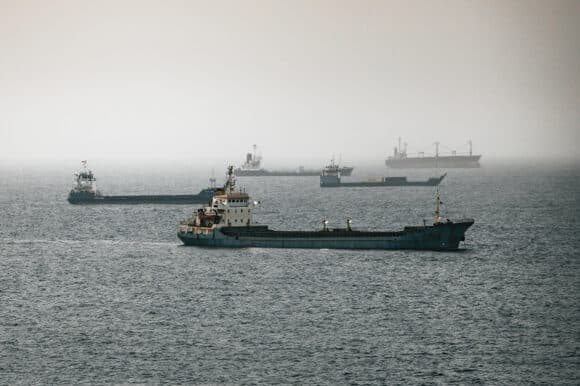
A reported arrangement between Iran and Oman that would hand Tehran oversight of commercial vessels transiting the Strait of Hormuz is running into serious practical obstacles. Shipping industry insiders say U.S. sanctions and restrictive insurance policy language make any required payments under such a deal effectively impossible to execute.
General information only. Check your own policy wording before acting.
Why the Iran-Oman Hormuz Deal Struggles to Hold Up in Practice
Even if Iran and Oman were to formalize an agreement over Strait of Hormuz passage, the global shipping industry would face enormous legal and financial risk in complying with it. Sanctions exposure and the restrictive language embedded in marine insurance policies would leave shipowners and operators with few viable options for meeting any financial obligations the deal might impose.
Why it matters
The Strait of Hormuz is one of the world's most vital maritime corridors, and any arrangement granting Iran control over vessel passage could disrupt global energy and trade flows. The practical barriers identified by industry sources suggest such a deal would face resistance long before it could be enforced.
Common questions
Would shipping companies be legally allowed to make payments required under the proposed Iran-Oman Hormuz deal?
No — U.S. sanctions and restrictive insurance clauses would effectively block shipping companies from making any payments required under the proposed arrangement.

